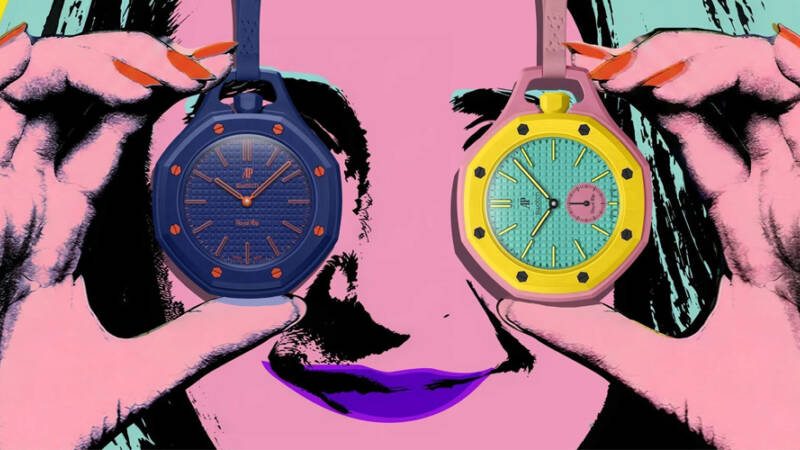
Our Intellectual Property team examines how IP enables heritage brands to engage new demographics while protecting their core asset exclusivity.
What you need to know
- Product category: Luxury brands can protect core markets by ensuring that mass-market collaborations focus on alternative or tangential products, preserving the integrity of their core product offering.
- Design choices can protect brand value: Using recognisable heritage features in lower-cost materials can help brands reach new customers without weakening the value of their core luxury products.
- Re-investing proceeds can protect reputation: Using licensing revenue to support preservation or heritage initiatives can help show that a collaboration is not just a mass-market commercial exercise.
- Supply chain safeguards: High-low manufacturing agreements require strict material specifications to ensure entry-level products do not mimic luxury tactile quality.
High-low collaborations
High-low collaborations are partnerships between a high-end or luxury brand and a more accessible, mass-market brand. The aim is usually to allow the luxury brand reach a wider audience while giving the mass-market brand added prestige and cultural relevance.
The ‘Royal Pop’ framework
The recent release of the ’Royal Pop‘ convertible pocket watch collection by Audemars Piguet and Swatch highlights a new strategy in high-low luxury collaborations which differs from previous Swatch collaborations. For example, when Swatch ran a collaboration with Omega, they created the MoonSwatch which was a direct, 1-to-1 physical replica of the iconic Speedmaster silhouette. Specifically, that model maintained the exact dimensions, asymmetric case, and "Dot Over 90" bezel of the luxury original. While the MoonSwatch gained huge press and public interest, it risked narrowing the "sovereignty gap" between a €300 plastic watch and a steel mechanical watch worth €8,000. This aspect of the collaboration provoked purists to argue that it diluted Omega's prestige.
The ‘Royal Pop’ completely eliminated the risk of direct substitution by changing the product category. Instead of releasing an entry-level wristwatch similar to the ‘Royal Oak’, they engineered a modular, convertible pocket watch that can be worn as a pendant or desk clock. A consumer cannot buy the Swatch version as a cheap "stand-in" for a luxury Audemars Piguet wristwatch because the form factor is fundamentally different. The ‘Royal Pop’ modular pocket watch design successfully created a distinct lifestyle product which avoided direct market crossover with the primary product lines that sustain the luxury brand's valuation.